Health and Safety Policy for Kingston Upon Thames Removals
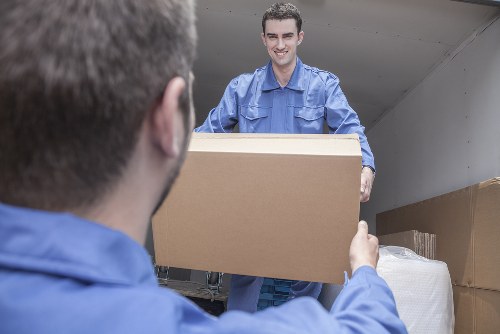 This health and safety policy sets out the standards followed by Kingston Upon Thames Removals to protect staff, customers, contractors, and members of the public during every stage of a move. We aim to maintain a safe working environment by identifying risks early, applying sensible controls, and reviewing our working practices regularly. This policy applies to all removal activities, including packing, loading, transporting, and unloading household or business items.
Our approach is based on prevention, responsibility, and clear communication. Every removal task is planned with safety in mind, from the first assessment of the premises to the final placement of items. We expect all team members to follow this policy, use equipment correctly, and stop work if a situation becomes unsafe. Safety is considered part of service quality, not a separate concern.
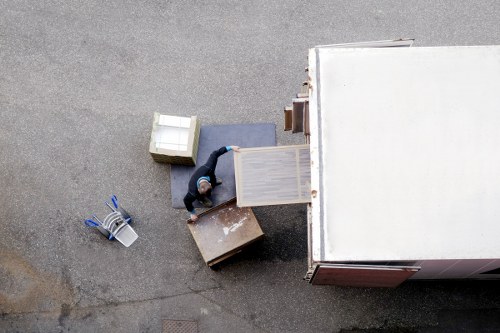 The company recognises that moving heavy or awkward items can create risks such as slips, trips, falls, manual handling injuries, and property damage. To reduce these risks, removal operatives are trained to assess weight, shape, access routes, and stability before handling any item. Where appropriate, equipment such as trolleys, straps, blankets, and protective coverings is used to make the process safer and more controlled.
All personnel are expected to wear suitable workwear and any required protective equipment for the task being carried out. This may include gloves, safety footwear, hi-visibility clothing, and other protective items where needed. Good personal housekeeping is also essential, meaning work areas must be kept as clear as possible and materials must be stored neatly to prevent accidents.
Risk assessment is central to our removals safety management. Before work begins, the team considers access points, stairs, uneven surfaces, parking arrangements, weather conditions, and the condition of items being moved. If hazards are identified, the operation is adjusted to reduce exposure. In some cases, items may need to be moved in stages, extra staff may be assigned, or certain objects may require specialist handling.
 Team members must use correct lifting techniques at all times. Bending the knees, keeping the back straight, maintaining a firm grip, and avoiding twisting while carrying are basic principles reinforced through training and supervision. When a load is too heavy, too large, or too awkward, it must be shared between multiple operatives or moved using mechanical aids. No one should feel pressured to take unsafe shortcuts.
Protecting the public and customers is equally important. During a move, doors, hallways, and shared access routes should be managed carefully so that people are not struck by items or caught in moving equipment. Children, pets, and visitors should be kept away from active work areas whenever possible. We also take care to protect floors, walls, lifts, and fixtures by using appropriate coverings and by moving items slowly and deliberately.
Vehicle safety is part of our commitment to safe removals operations. Vehicles must be loaded evenly, secured properly, and checked before departure to reduce the risk of shifting cargo. Drivers are expected to drive responsibly, take account of road conditions, and allow sufficient time for each journey. Any defect, damage, or issue affecting vehicle safety must be reported and addressed promptly.
At the midpoint of each move, supervisors review progress and safety concerns to make sure the work remains under control.  This includes checking whether fatigue, weather, or changing site conditions are affecting the team. If circumstances change, the operation may be paused so that the plan can be adjusted. This flexible approach helps prevent incidents and supports consistent standards throughout the day.
Training and supervision are essential to maintaining safe practice. New staff receive instruction on manual handling, safe equipment use, hazard awareness, emergency procedures, and customer property protection. Refresher training is provided when needed to maintain standards and to address any changes in equipment, procedures, or legal expectations. Managers are responsible for leading by example and ensuring that safe methods are followed.
Incident reporting is taken seriously. Any accident, near miss, injury, or property damage must be recorded and reviewed so that lessons can be learned. This process helps improve future performance and reduce the chance of a repeat occurrence. Employees are encouraged to report concerns early, especially if they notice unsafe access, faulty equipment, or conditions that could lead to harm.
 We also place importance on emergency preparedness. In the event of fire, injury, severe weather, vehicle breakdown, or another serious issue, staff must follow the appropriate response procedure, remain calm, and protect the safety of everyone involved. This may include stopping work, securing the area, seeking assistance, or relocating to a safer position. The priority is always the wellbeing of people first, followed by the protection of property and goods.
Responsibility for health and safety is shared across the organisation. Management provides guidance, resources, and oversight, while employees are expected to cooperate, follow instructions, and use safe judgement. Customers also play a part by informing the team of access issues, fragile items, or any known hazards that could affect the move. Clear information supports better planning and safer outcomes.
Our commitment to Kingston Upon Thames removals safety is ongoing. We regularly review this policy, monitor performance, and update procedures where improvements are identified. By keeping health and safety at the centre of our work, we aim to deliver reliable moving services while minimising risk to people, property, and the environment.